

 April 7, 2026
 What Does a Urologist Do? Insights from Dr. Arjun Singh
What does a urologist do? A urologist diagnoses and treats conditions affecting the urinary tract in men and women, as well as the male reproductive system. These conditions include kidney stones, urinary tract infections (UTIs), bladder problems, prostate disorders, and male fertility concerns. Understanding when to visit a urologist can help you recognize symptoms early and seek appropriate medical care. Dr. Arjun Singh Shekhawat provides urological care in Jaipur, helping patients understand their symptoms and available treatment options.
In this blog, we’ll discuss the key signs that indicate you should visit a urologist and why timely treatment is essential for your overall health.
Why Choose Dr. Arjun Singh Shekhawat?
If you’re looking for the best urologist in Jaipur, Dr. Arjun Singh Shekhawat stands out for his expertise, patient-centered approach, and advanced treatment solutions. Patients trust him for accurate diagnosis, effective treatment, and compassionate care.
Whether it’s a minor urinary issue or a complex kidney condition, consulting an experienced specialist ensures you receive the best possible care.
Understanding what does a urologist do can help you recognize urinary symptoms and know when to seek professional medical advice.
What Does a Urologist Do?
A urologist specializes in diagnosing and treating conditions related to the urinary tract in both men and women, as well as the male reproductive system. From kidney stones and urinary tract infections (UTIs) to prostate and bladder issues, a urologist ensures your urinary system functions properly.
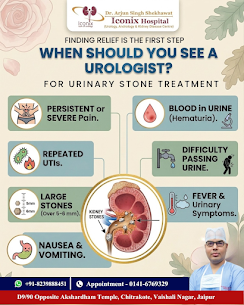
Top Signs You Should See a Urologist
1. Persistent or Severe Pain
If you experience ongoing pain in your lower abdomen, back, or sides, it could indicate kidney stones or infections. Pain that doesn’t go away should never be ignored, as it may worsen over time.
2. Blood in Urine (Hematuria)
Seeing blood in your urine can be alarming—and rightly so. It may be caused by infections, kidney stones, or even more serious conditions like bladder or kidney disease. Immediate consultation is strongly recommended.
3. Repeated Urinary Tract Infections (UTIs)
Frequent UTIs are a clear sign that something isn’t right. Recurring infections may point to underlying issues such as blockages, stones, or structural abnormalities in the urinary tract.
4. Difficulty Passing Urine
Struggling to urinate, weak urine flow, or a feeling of incomplete emptying can indicate prostate problems in men or urinary obstruction in both genders.
5. Large Kidney Stones
Kidney stones larger than 5 mm often require medical intervention. Symptoms include severe pain, nausea, vomiting, and discomfort during urination.
6. Nausea and Vomiting with Urinary Symptoms
When urinary issues are accompanied by nausea or vomiting, it could be a sign of kidney infection or severe blockage—conditions that need urgent medical care.
7. Fever with Urinary Symptoms
A fever along with urinary discomfort may indicate a serious infection, such as a kidney infection. This requires prompt diagnosis and treatment to prevent complications.
Treated by Urologists
A qualified urologist like Dr. Arjun Singh Shekhawat in Jaipur treats a wide range of conditions, including:
- Kidney stones
- Urinary tract infections (UTIs)
- Prostate enlargement
- Bladder disorders
- Male infertility issues
- Erectile dysfunction
- Kidney infections
What to Expect During a Urologist Visit
During a urologist visit, the doctor reviews your symptoms, medical history, and health concerns. Depending on your condition, you may need urine tests, blood tests, or an ultrasound to identify the cause of your symptoms. Treatment depends on the diagnosis and may include medication, lifestyle changes, or further procedures. Sharing your symptoms early can help your doctor recommend appropriate care.
Tips to Maintain Good Urinary Health
While medical consultation is essential when symptoms arise, maintaining healthy habits can reduce your risk of urological problems:
- Drink plenty of water daily
- Avoid holding urine for long periods
- Maintain proper hygiene
- Limit salt and processed foods
- Reduce intake of caffeine and alcohol
- Get regular health check-ups
Need Expert Urology Advice?
Consult Dr. Arjun Singh Shekhawat for kidney, prostate, andrology & uro-oncology care in Jaipur.